Key Takeaways
- Louvers and planks can transform plain walls into stronger feature surfaces when chosen according to the room context.
- Before you buy wall louvers, evaluate wall purpose, room style, scale, lighting, and finish behaviour.
- Options like wood-look, metallic, fluted, MDF, and flexible louvers suit different interior moods and applications.
- Wooden louvers price should be compared based on design value rather than treated as a last-minute cost factor.
- A professional interior louvers supplier can help you make practical choices and avoid mismatched design decisions.
A wall can look empty even when the rest of the room is well designed. Good furniture, decent lighting, and a clean layout do not always create depth on their own. This is where louvers and planks start making a real difference. They add rhythm, texture, and structure to plain surfaces, helping interiors feel more complete and visually intentional.
The problem is that many buyers choose them too quickly. A design may look impressive online or in a small sample, but once it is applied to a full wall, partition, or ceiling feature, the result can feel too sharp, too heavy, or simply wrong for the room. That is why this guide matters. If you are planning to work with louvers and planks, this article will help you understand what to check before you choose, where they work best, and how to make a better buying decision without getting carried away by surface appeal alone.
What Are Louvers and Planks in Interior Design?
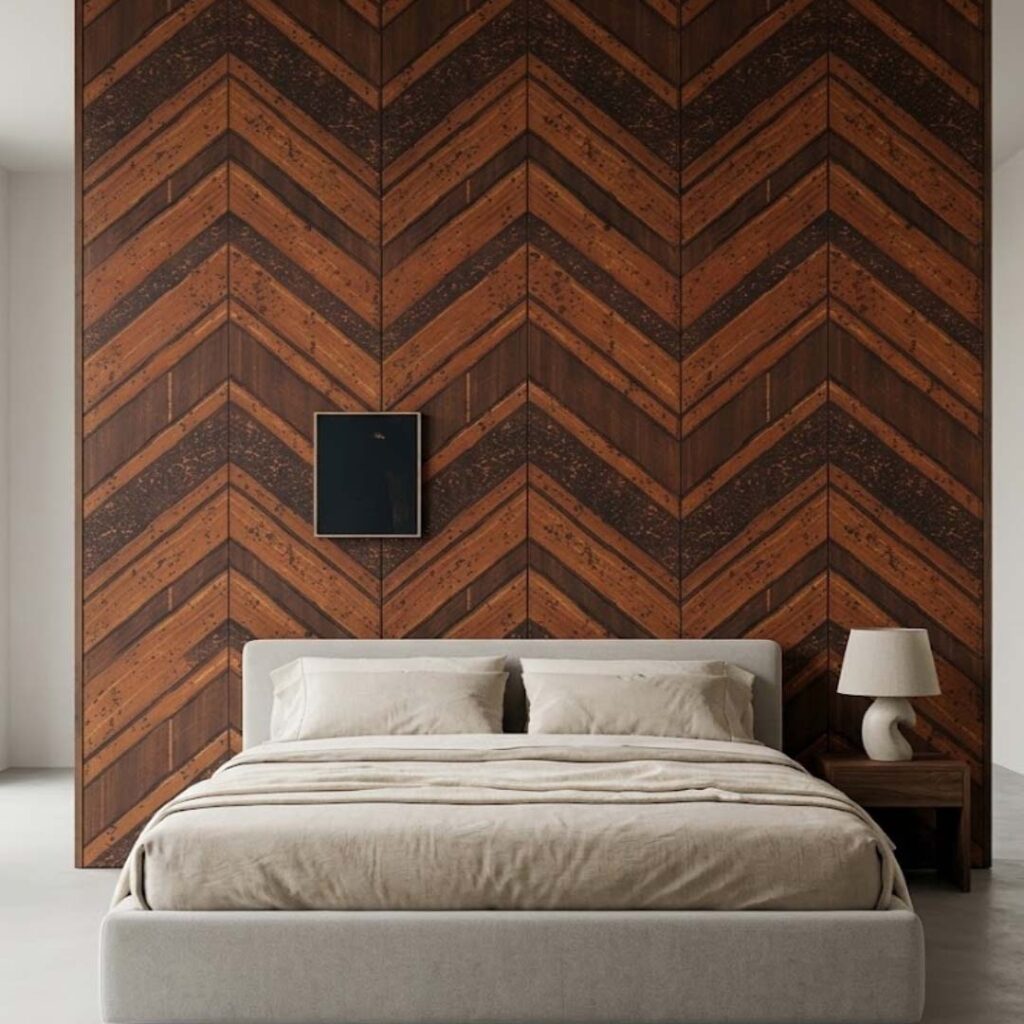
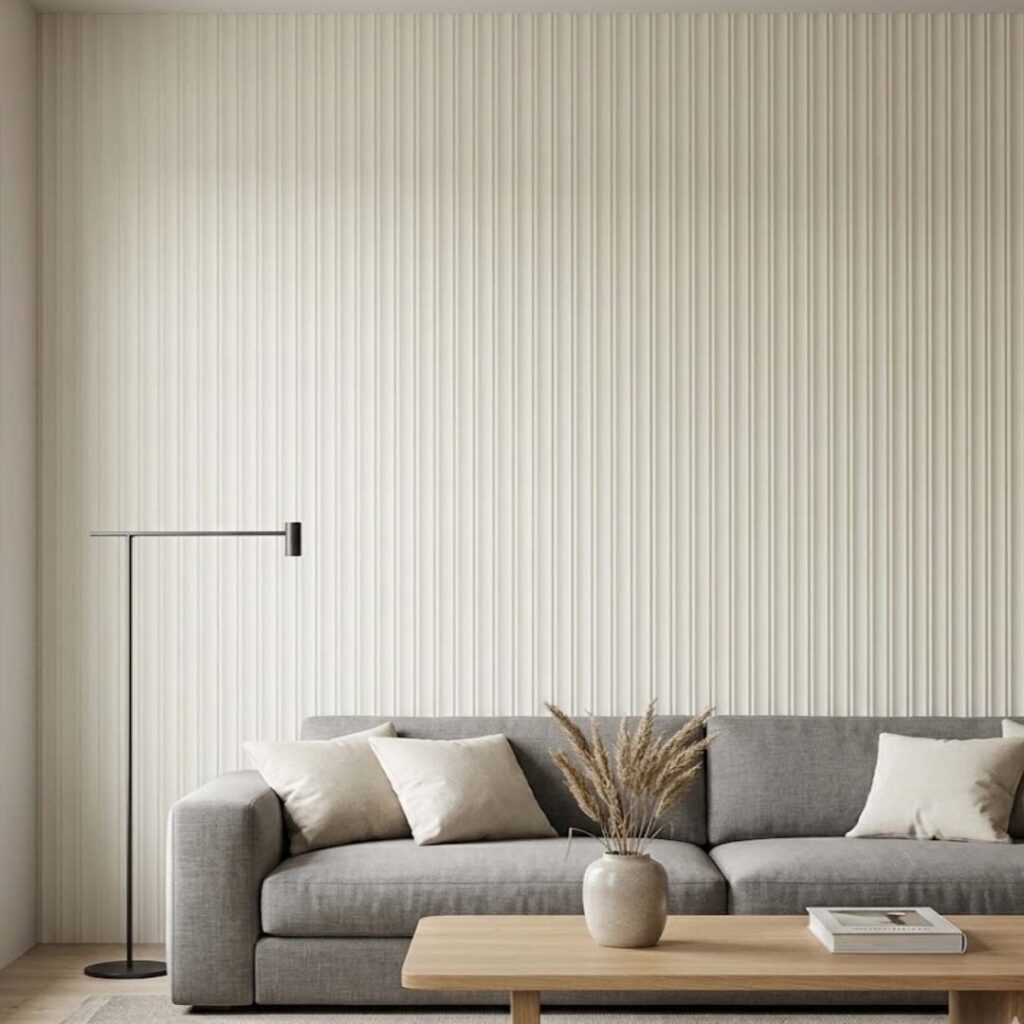
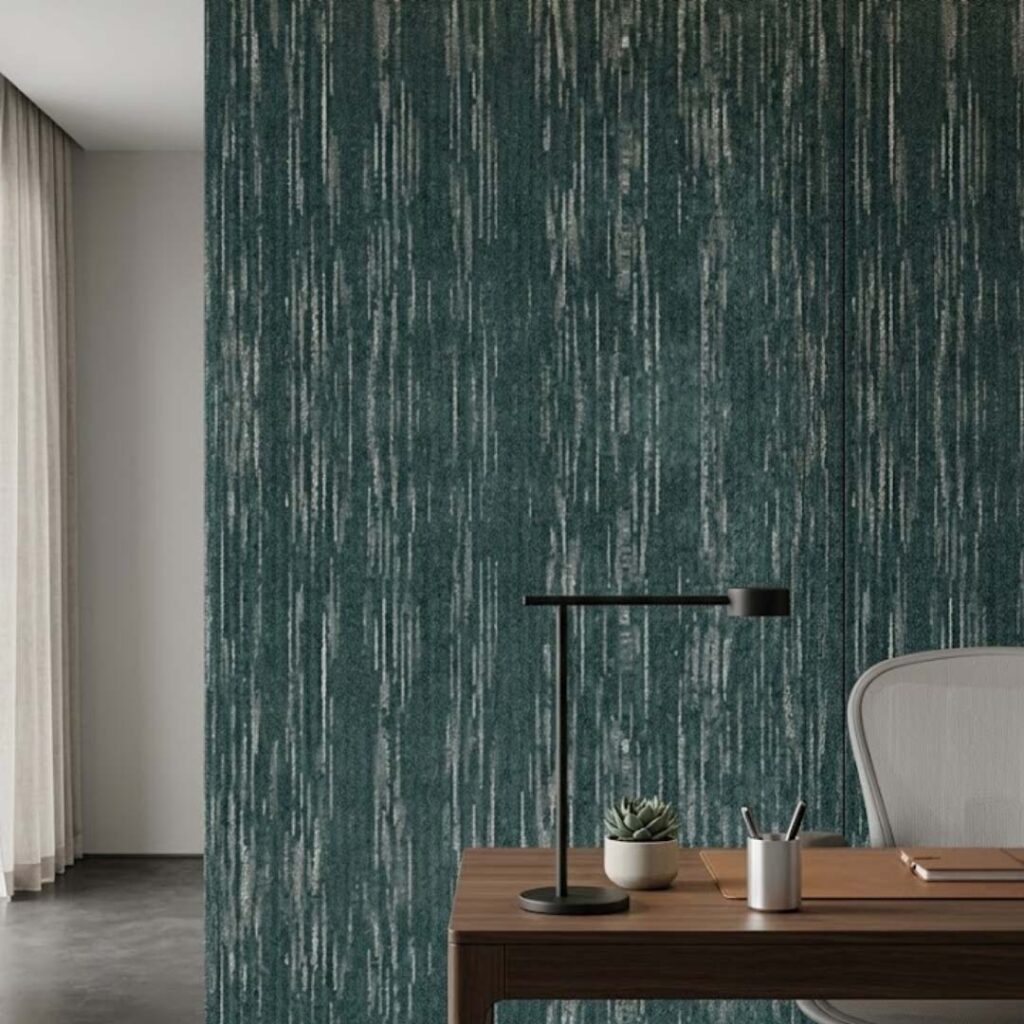
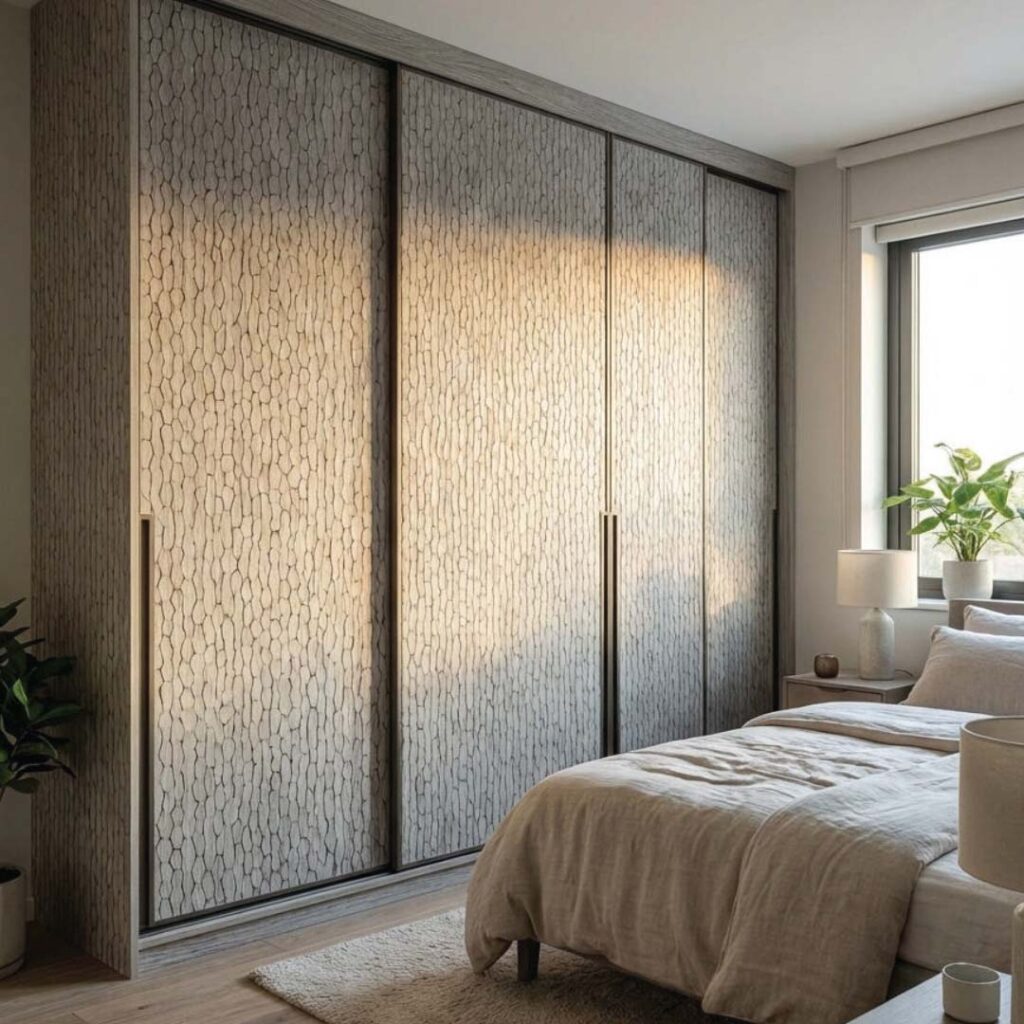
In interior design, louvers and planks are decorative surface elements used to add linear texture, depth, and architectural character to walls, partitions, and selected ceiling areas. They are especially popular in modern interiors because they can turn flat, plain surfaces into stronger design features without relying on too many extra decorative items.
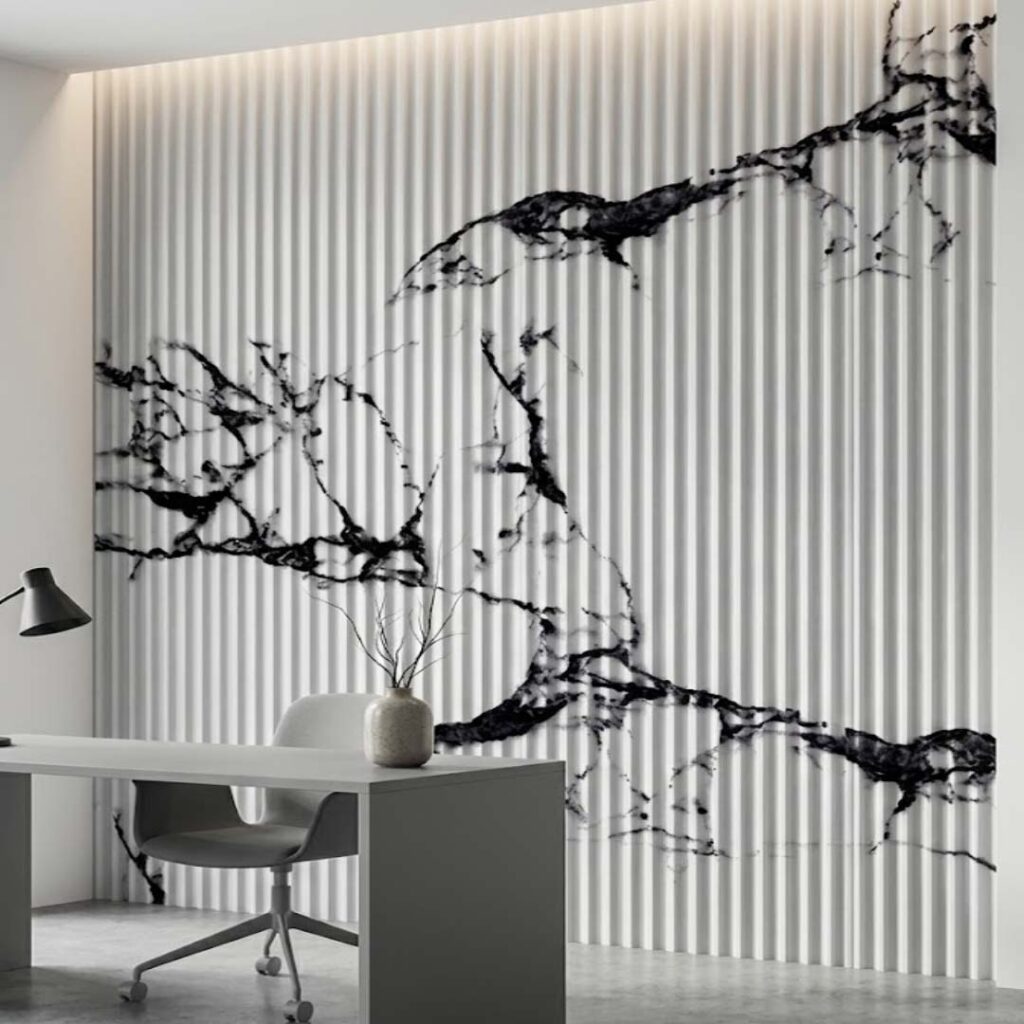
On the Navkar Interio website, the Louvers & Planks category includes several styles such as Wooden & Teak Louvers, Metallic Louvers, Solid Pastel Coloured Louvers, Marble & Stone Louvers, Exotic Patterns, Leather, Fabric, Fluted, MDF Louvers, and Flexible Louver. These categories show that the product range is not limited to one visual style or one use-case. It spans warm, bold, minimal, decorative, and more design-led interior applications.
That matters because buyers looking at louvers and planks often assume they are all visually similar. In reality, different styles create very different moods.
Why Louvers and Planks Are Popular in Modern Interiors
Louvers and planks have become popular because they solve a common interior problem. They help a space look finished without making it feel overcrowded. Instead of adding multiple décor items to create character, a well-chosen louver or plank surface can do much of the work on its own.
They are widely used because they can:
- Add linear depth to plain walls
- Create stronger feature areas in living rooms and reception spaces
- Support both residential and commercial interiors
- Work with modern, premium, warm, or textured design styles
- Help walls feel more architectural and less flat
Along with Laminates & Mica and Decorative Wall Panels, Navkar Interio ranks Louvers & Planks as one of its top interior surface categories, demonstrating its importance in modern surface-led design planning.
Types of Louvers and Planks You Can Explore
A buying decision becomes easier when you understand the broad style directions first.
Natural and Warm-Look Options
These styles are useful when the interior needs warmth and a more grounded visual feel.
- Wooden & Teak Louvers
- MDF Louvers
- Fluted
- Leather
- Fabric
These can work well in bedrooms, lounges, living rooms, office cabins, and hospitality-inspired interiors where softer material expression is preferred.
Bold and Premium-Look Options
These styles suit interiors where the wall should make a stronger statement.
- Metallic Louvers
- Marble & Stone Louvers
- Exotic Patterns
- Solid Pastel Coloured Louvers
These can be useful in reception areas, feature walls, premium foyers, and selected commercial spaces where the design needs more visual impact. (Navkar Interio)
Flexible and Design-Led Options
These are relevant when standard straight applications are not enough.
- Flexible Louver: This type can be useful in spaces that need more custom visual treatment or curved design direction. Navkar Interio also highlights flexibility and customisation across parts of its broader decorative surface offering.
Where Louvers and Planks Work Best
A good buying decision starts with placement. Not every wall needs louvers or planks, and not every style suits every room.
They are commonly used in:
- TV unit back walls
- Sofa backdrop walls
- Bedroom feature walls
- Office reception areas
- Cabin walls
- Retail display spaces
- Entrance and foyer walls
- Partition-style decorative sections
For example, decorative louvers for walls can work beautifully in a living room where one wall needs definition and depth. In a commercial reception, the same category can help the space look more polished and intentional. That practical difference matters when choosing the right finish and pattern direction.
What to Check Before You Buy Wall Louvers
If you plan to buy wall louvers, do not begin with colour alone. Start with the role of the wall.
1. Check the Wall Purpose
Ask what the wall is supposed to do.
- Should it become the main feature of the room?
- Should it support the furniture quietly?
- Should it create a premium first impression?
- Should it add warmth instead of drama?
This step helps you decide whether the wall needs a bold statement style or a softer linear texture.
2. Match the Style to the Room
A sleek office reception may suit metallic or marble-inspired louvers. A warm bedroom may need MDF or wood-look styles. A small room may need a more balanced pattern instead of something visually heavy.
This is where many people get it wrong. They choose a design that looks attractive by itself but feels mismatched once placed beside existing furniture, flooring, and lighting.
3. Think About Scale
A small sample can be misleading. A louver design that looks refined in hand may become overpowering across a large wall.
Before finalising any wall louvers design, think about:
- The height and width of the wall
- The room size
- How much of the surface will remain visible after furniture placement
- Whether the design should feel strong or subtle
The larger the visible wall, the more influence the louver pattern will have on the room.
4. Compare Finish with Lighting
Lighting changes surface behaviour. Metallic or polished finishes can look striking in some settings and too intense in others. Warmer, softer finishes often behave differently depending on natural light and surrounding colours.
This is why the same louver can feel luxurious in a foyer and too aggressive in a compact bedroom.
5. Review Budget with Intent
Do not look at wooden louvers price only after falling in love with one design. Budget should be part of the decision from the start.
A better way to think about cost is:
- Is this the most visible wall in the room?
- Will the louver add enough design value here?
- Would a simpler style work just as well?
- Are you paying for a finish that suits the space properly?
This helps you connect wooden louvers price to actual design value rather than comparing numbers without context.
How to Choose the Right Louvers and Planks for Different Spaces
This part is where a buying guide becomes useful instead of generic.
For Living Rooms
- Use styles that can create a strong but balanced feature wall
- Wood-look, fluted, or selected bold patterns can work well
- Think about how the louver finish will sit behind a TV unit or sofa
For Bedrooms
- Choose warmer, calmer, and less visually aggressive styles
- MDF, fluted, fabric-inspired, or softer wood-look options may suit better
- The wall should add depth without making the room feel busy
For Office or Commercial Spaces
- Go for more structured and design-forward finishes
- Metallic, marble-look, or bold surface styles may create stronger first impressions
- The final choice should still match the business interior tone
For Foyers and Entry Areas
- Pick styles that create instant visual interest
- This is one of the best places for more expressive louvers for interior walls
- The design should feel welcoming, not overdone
A Practical Example That Makes the Choice Easier
Imagine a modern living room with a large TV wall, neutral furniture, and clean lighting. If you install a wood-look or fluted louver design there, the room can immediately feel completer and more architectural. Now imagine using a very bold metallic finish on the same wall in a compact, warm-toned family room. It may start looking too sharp and disconnected.
That is the point most buyers miss. Seldom is the product itself the problem.The issue is whether the style fits the room’s purpose.
Why Supplier Selection Matters
A wide catalogue alone is not enough. You also need the confidence that the range actually supports real interior decisions. In addition to listing many style directions, such as Wooden & Teak Louvers, Metallic Louvers, MDF Louvers, Fluted, and Flexible Louvers, Navkar Interio offers Louvers & Planks as a separate category. It also describes itself as a manufacturer and supplier of interior surface solutions for residential, commercial, and hospitality projects across India.
That matters because an experienced interior louvers supplier should make it easier to compare style categories based on application, not just appearance. When buyers are selecting decorative louvers for walls, variety helps, but practical fit matters more.
Why Choose Us
At Navkar Interio, we understand that buying louvers is not just about selecting a pattern that looks attractive in a catalogue. It is about matching the right surface to the right wall, room style, and design goal. Our Louvers & Planks range includes Wooden & Teak Louvers, Metallic Louvers, Solid Pastel Coloured Louvers, Marble & Stone Louvers, Exotic Patterns, Leather, Fabric, Fluted, MDF Louvers, and Flexible Louver options, giving customers a broader design vocabulary for homes, offices, and commercial interiors.
As an experienced interior louvers supplier, we focus on helping buyers compare styles that feel relevant in real spaces. Whether you want to buy wall louvers for a living room feature wall or explore louvers for interior walls in a more design-led setting, our range supports smarter choices, not rushed ones.
Conclusion
Choosing the right louvers and planks is not just a matter of style. It is a matter of fit. The best option depends on the wall, the room, the lighting, the furniture around it, and the kind of mood you want the space to create. Some interiors need warm wood-look textures, while others suit bolder metallic or statement-led finishes. That is why a good buying decision starts with placement and purpose, not just sample appeal. If you are planning to buy wall louvers, take time to compare design direction, scale, lighting effect, and wooden louvers price in a practical way. A well-chosen louver or plank can lift the whole interior. A rushed choice can do the opposite. The smarter the selection, the stronger the final space feels.
Looking for the right louver style for your project? Contact Navkar Interio at +91-901-678-7132 or email info@navkarplywood.in for expert guidance.
FAQs
What are louvers and planks used for?
louvers and planks are used to add texture, structure, and visual depth to walls, partitions, and selected ceiling areas. They help plain surfaces feel more decorative and architecturally finished.
Where should I use wall louvers in my home?
You can use louvers for interior walls in living rooms, bedrooms, foyers, and even selected study or office spaces. They usually work best on feature walls rather than every wall in a room.
How do I choose the right wall louvers design?
Start by checking the room style, wall size, lighting, and whether the wall should be bold or subtle. The right wall louvers design should suit the space, not just the sample.
Are decorative louvers for walls good for commercial interiors?
Yes, decorative louvers for walls can work very well in offices, showrooms, and reception areas. They often help create a stronger first impression and a more polished interior look.
Why should I buy from an interior louvers supplier?
A good interior louvers supplier can help you compare styles and applications more clearly. That makes it easier to choose louvers that genuinely fit the project.