Key Takeaways
- Louvers and fluted panels both add texture, but they create different visual effects.
- Louvers usually suit more structured, architectural, and statement-driven interiors.
- Fluted panels often work better in softer, elegant, and warm interior settings.
- Before you buy, compare style fit, wall purpose, and pricing carefully.
- Choosing a trusted decorative louvers supplier helps you make a better design decision for the space.
A lot of modern interiors go wrong at one simple stage. People know they want textured walls, cleaner lines, and a more finished look, but they get stuck choosing between louvers and fluted panels. Both may appear similar at first glance. Both add depth. Both can upgrade a plain wall. But once you actually start planning a living room, office, bedroom, or reception space, the differences become more important than most buyers expect.
That is why this comparison matters. If you choose the wrong surface style, the wall can end up looking too busy, too flat, too heavy, or simply out of place. If you choose well, the same wall can become one of the strongest design features in the room.
In this guide, we will compare louvers and fluted panels in a practical way, so you can decide what fits your interior better. If you are exploring options from an interior louvers supplier, this blog will help you understand where each style works best, what changes visually, and what to think about before you buy wall louvers or consider fluted panel solutions.
What Are Louvers in Interior Design?
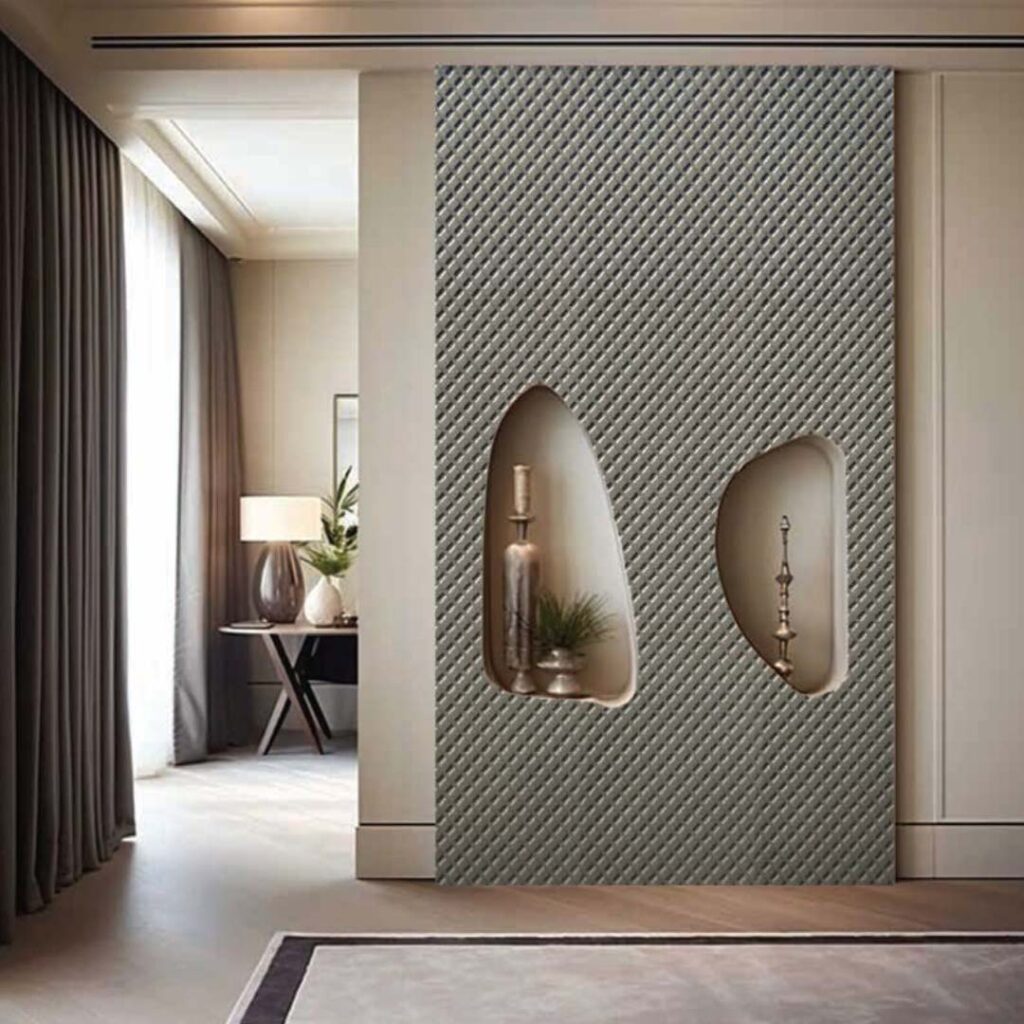
Interior louvers are decorative linear surface elements used to create rhythm, depth, and structure on walls, partitions, and selected ceiling areas. They are often used in modern interiors because they bring a cleaner architectural look without making the space feel overloaded.
Louvers are especially popular in feature walls because they can make a plain area look more refined and visually aligned. On the Navkar Interio website, the louver range includes options such as wooden and teak louvers, metallic louvers, solid pastel-coloured louvers, marble and stone louvers, exotic patterns, MDF louvers, and flexible louver styles.
A professional decorative louvers supplier usually offers these variations so that different interior moods can be matched more accurately rather than forcing one style into every room.
What Are Fluted Panels?
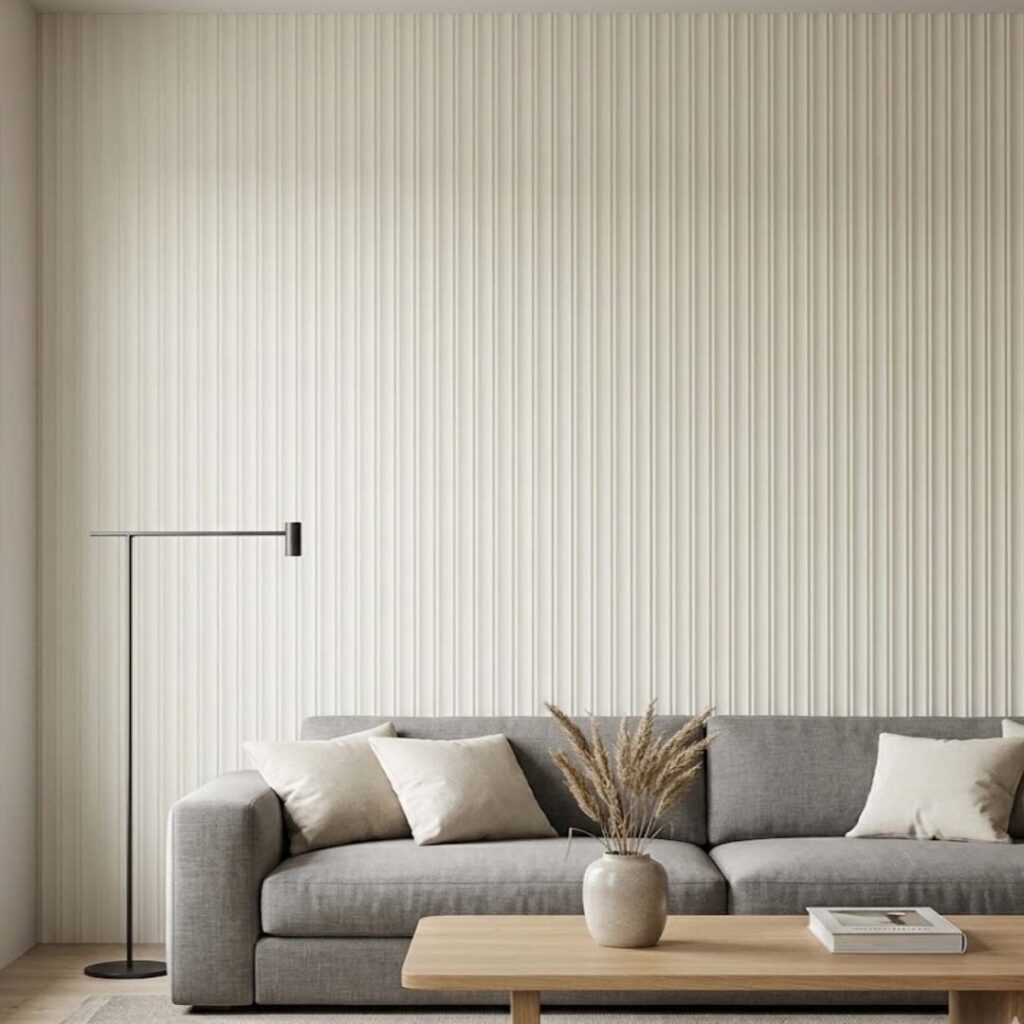
Fluted panels are decorative panels with repeated grooves or vertical channel-style detailing across the surface. They are widely used in modern interiors because they add texture in a softer, more continuous way than many louver formats.
Fluted panels are often preferred when the goal is to create an elegant surface that feels stylish but not too sharp or segmented. They work well in both residential and commercial interiors, especially where the wall should look premium without becoming visually aggressive.
Compared to many louvers, fluted panels often feel more surface-driven, while louvers can feel more structural and defined. That difference matters when you are choosing for a bedroom wall versus a commercial reception backdrop.
Louvers vs Fluted Panels: The Core Difference
At a glance, louvers and fluted panels may seem interchangeable. In real interiors, they create different design effects.
- Louvers Usually Feel More Structured: Louvers tend to give walls a more linear, architectural, and segmented appearance. They can make a space feel sharper and more design-led, especially in modern or premium interiors.
- Fluted Panels Usually Feel More Seamless: Fluted panels often create a softer visual flow. Instead of reading like separated design elements, they feel more integrated as a textured wall finish.
Where Louvers Work Better in Modern Interiors
Louvers are often a stronger fit when the space needs clear visual lines and a more architectural presence.
They commonly work well in:
- TV unit back walls
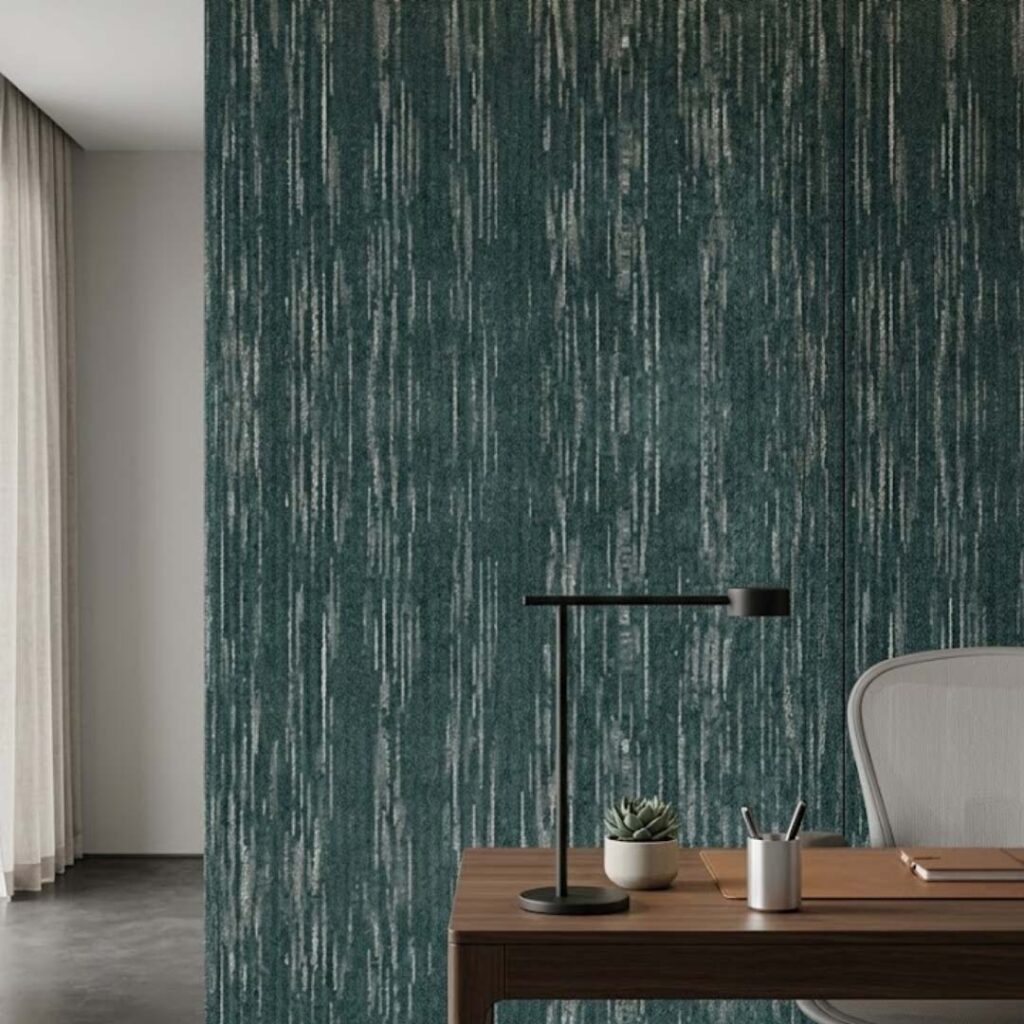
- Office reception areas
- Cabin walls
- Retail display zones
- Partition-style interior features
- Entrance feature walls
- Hospitality-inspired interiors
For example, in a modern office reception, louvers can help the back wall look more professional and intentional. In a living room, they can add a clean statement behind the TV unit without needing too many other decorative elements.
If you are planning to buy wall louvers, think about whether the wall needs stronger structure and definition. That is where louvers usually perform better than fluted panels.
Where Fluted Panels Work Better in Modern Interiors
Fluted panels often work better where a softer and more continuous finish is needed.
They are commonly used in:
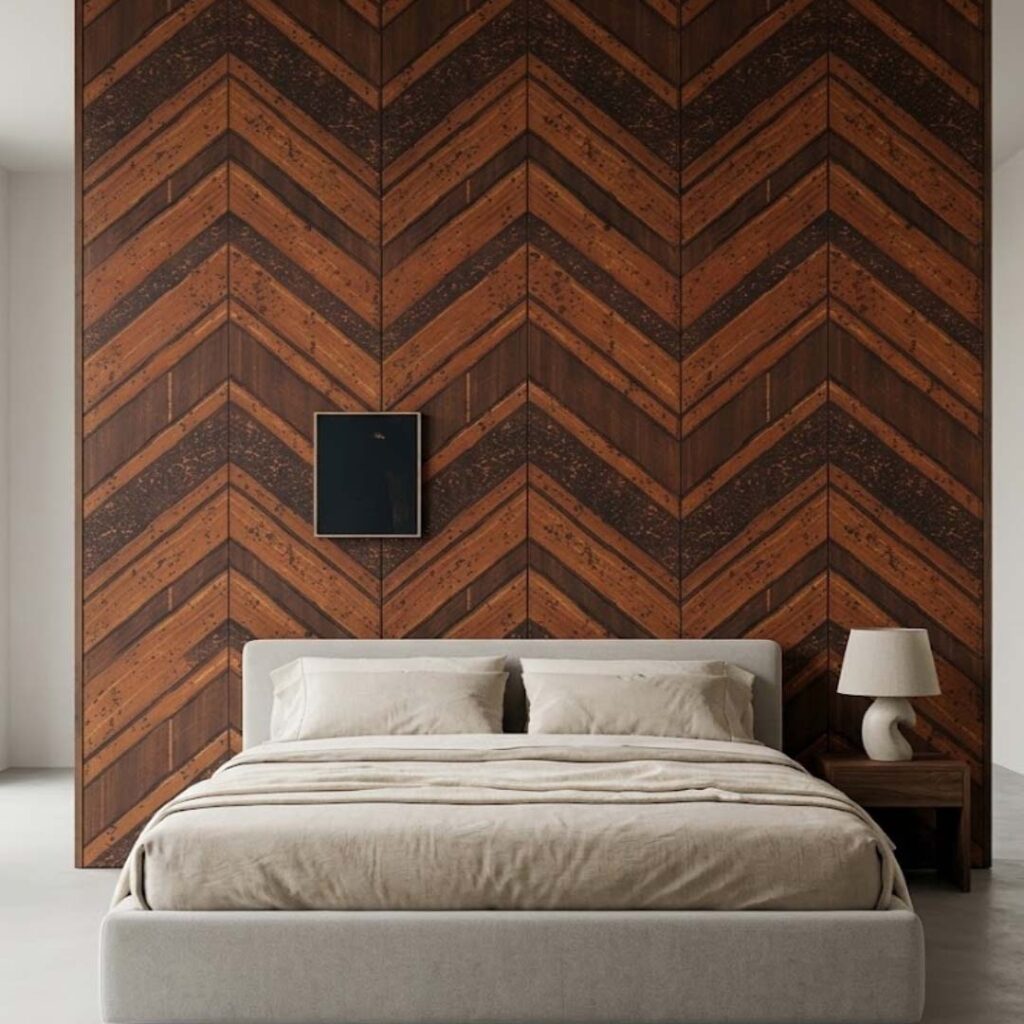
- Bedroom headboard walls
- Living room feature panels
- Dining area backdrops
- Lounge spaces
- Boutique-style interiors
- Selected ceiling and wall combinations
In a bedroom, for instance, fluted panels usually feel more relaxed and elegant than sharper louver lines. That makes them a good fit for interiors where the goal is warmth and visual depth rather than bold segmentation.
In short, fluted panels often suit spaces where the design should feel polished and rich, but still calm.
Which Option Looks More Modern?
Both can look modern, but they create different versions of modern design.
- Louvers often suit sharp, linear, contemporary interiors
- Fluted panels often suit soft, elegant, texture-led interiors
- Louvers can feel more architectural
- Fluted panels can feel more decorative and seamless
- Both can work beautifully when matched with the room style
So, the better question is not which one is more modern in general. It is which one looks more modern in your specific space.
A high-contrast office or luxury foyer may suit louvers more naturally. A warm bedroom or premium lounge wall may look better with fluted panels.
How to Choose Between Louvers and Fluted Panels
This is where most buyers need real clarity. Do not choose based only on what is trending or what looks attractive in one image.
Follow These Steps Before Finalising
- Identify the wall purpose: Decide whether the wall should be a bold statement, a soft backdrop, or a design connector in the room.
- Study the room style: If the space already has strong lines and modern furniture, louvers may fit better. If the room needs softness and texture, fluted panels may work better.
- Check the scale of the wall: Large feature walls can often handle stronger louver patterns. More compact spaces may benefit from softer fluted detailing.
- Look at surrounding finishes: Flooring, upholstery, laminates, lighting, and furniture all affect whether the wall surface feels balanced.
- Compare budget direction: If you are reviewing options, it is practical to compare wooden louvers price and panel finish choices together rather than making a style decision first and a budget decision later.
This step-by-step approach helps avoid one of the most common mistakes in interior selection: choosing a wall finish in isolation.
Louvers vs Fluted Panels: Pros and Practical Considerations
Louvers
- Strong linear design effect
- Good for statement walls and architectural styling
- Useful in both homes and commercial spaces
- Available in multiple style categories through a trusted interior louvers supplier
- Can suit buyers looking to buy wall louvers for modern, structured interiors
Louvers are often the better fit when the wall needs stronger identity and cleaner visual direction.
Fluted Panels
- Softer and more continuous texture
- Often better for elegant and calming spaces
- Suitable for bedroom walls and warm living areas
- Helpful when the design should feel refined without looking too sharp
Fluted panels are often the better fit when you want depth with a gentler finish.
A Practical Example That Makes the Choice Easier
Imagine two different living spaces.
- In the first, the room has sleek furniture, clean lines, darker shades, and a modern TV unit. A louver wall would likely look stronger here because it matches the room’s structured style.
- In the second, the room has softer tones, a more relaxed furniture layout, and a warm premium atmosphere. In that case, a fluted panel wall would probably feel more natural and visually balanced.
That is the real answer for most buyers. Neither is always superior to the other. The better option depends on what the room is already trying to become.
Why Choose Us
At Navkar Interio, we understand that modern interior surfaces are not just about decoration. They shape the mood, structure, and overall identity of a space. As an experienced interior louvers supplier, we offer a wide range of louver and decorative surface options to suit different interior styles, from modern residential walls to commercial and hospitality-focused spaces. Our collection includes wooden and teak louvers, metallic louvers, MDF louvers, flexible louver options, and decorative surface solutions that support better visual planning. Whether you want to buy wall louvers for a feature wall or compare them against fluted-style designs for a more refined finish, we help customers explore options that feel relevant, practical, and design-friendly rather than generic.
Conclusion
Louvers and fluted panels can both work beautifully in modern interiors, but they do not create the same result. Louvers usually bring a sharper, more architectural look, while fluted panels tend to offer a softer and more seamless texture. That is why the right choice depends less on trend and more on the wall, the room style, and the kind of visual effect you want. If you are planning a bold TV wall, office reception, or structured feature space, louvers may be the better option. If you want a calmer and more elegant surface for a bedroom or lounge-style area, fluted panels may suit the space better. When comparing styles, finishes, and wooden louvers price, it helps to work with a trusted interior louvers supplier who can guide the decision properly.
Looking for the right louvers for your modern interior? Contact Navkar Interio at +91-901-678-7132 or email info@navkarplywood.in for expert product guidance.
FAQs
Are louvers better than fluted panels for modern interiors?
Louvers are better for some modern interiors, especially where the design needs sharper lines and stronger structure. Fluted panels are often better where the look should feel softer and more seamless.
Where should wall louvers be used?
Wall louvers are commonly used in TV unit backdrops, office reception walls, partitions, cabins, and entrance feature walls. They work best where a strong linear design effect is needed.
Are fluted panels suitable for bedrooms?
Yes, fluted panels are often a very good choice for bedrooms. Their softer texture can make the bed-back wall look more elegant and less visually harsh.
How do I choose between louvers and fluted panels?
Start by checking the room style, wall size, furniture lines, and the mood you want to create. The right choice depends on whether the space needs stronger structure or softer texture.
Why should I buy from a professional supplier?
A professional wall louvers manufacturer or supplier can help you compare finishes and applications more practically. That makes it easier to choose a surface style that actually suits your interior.